Project 05 of 09
WaterSEER Design Competition
1st place in a $12k UC Berkeley-wide competition to design a device that passively condenses water from the air.
- Context
- UC Berkeley · Stratus Designs
- When
- Spring 2016
- Role
- Team lead · 3D modeling, FEA, rendering, turbine design
- Tags
- 1st place, CAD, FEA, Rendering
Stratus Designs- The Project
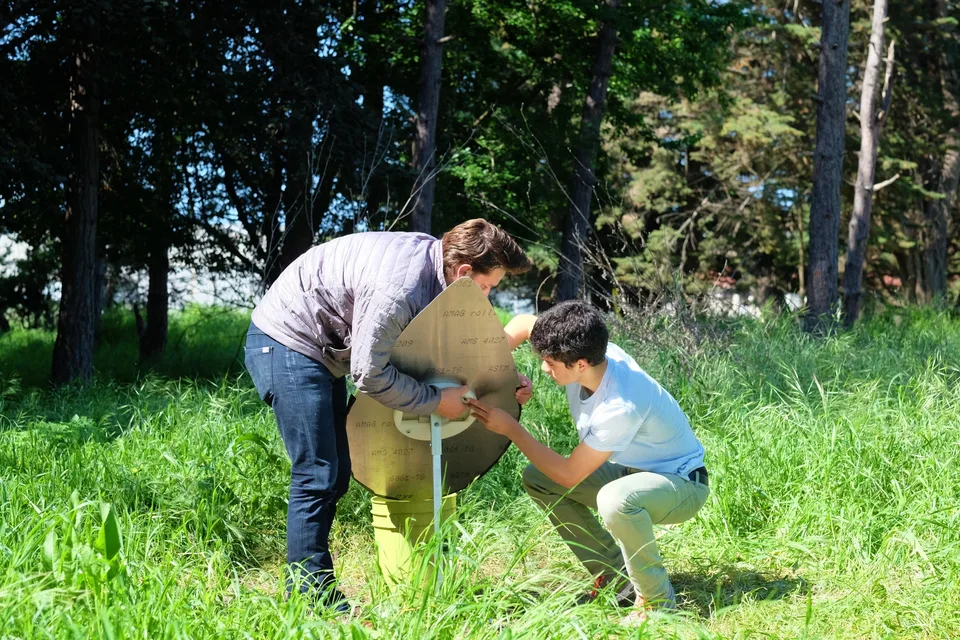
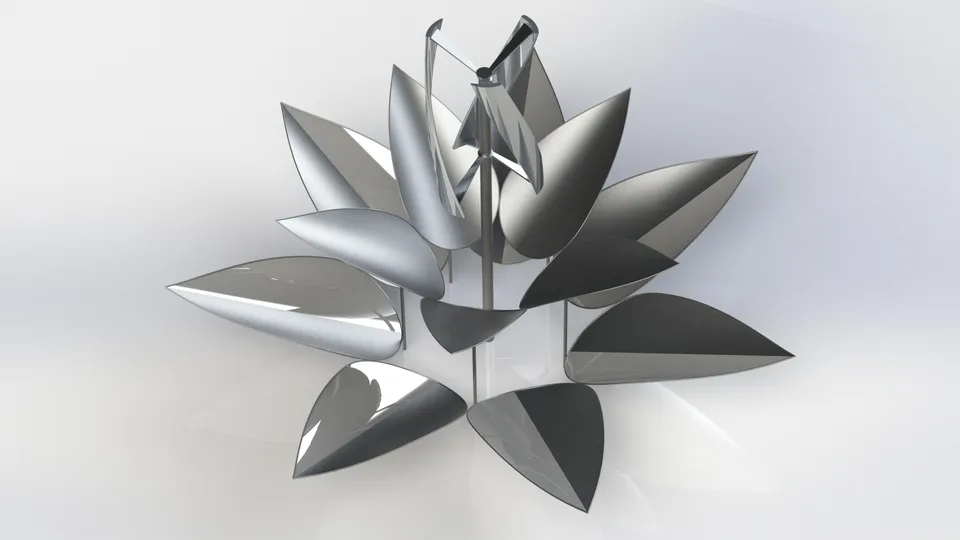
I led a team of four other students to a 1st place prize in the WaterSeer Design Competition, a $12k UC Berkeley-wide competition to create a proof of concept design for a device which passively condenses water from the air. I was personally responsible for nearly all of the project's 3D modeling, FEA, rendering and the development of nearly the entirety of the winning turbine system's design.
The criteria upon which this project was judged were manufacturability, construction cost, aesthetic appeal, effective yield, and the design's practical applicability to both high-end resorts and developing country markets.
Click here to visit the project proposal URL
 (image 1 of 15, view larger)
 (image 2 of 15, view larger)
 (image 3 of 15, view larger)
 (image 4 of 15, view larger)
 (image 5 of 15, view larger)
 (image 6 of 15, view larger)
 (image 7 of 15, view larger)
 (image 8 of 15, view larger)
 (image 9 of 15, view larger)
 (image 10 of 15, view larger)
 (image 11 of 15, view larger)
 (image 12 of 15, view larger)
 (image 13 of 15, view larger)
 (image 14 of 15, view larger)
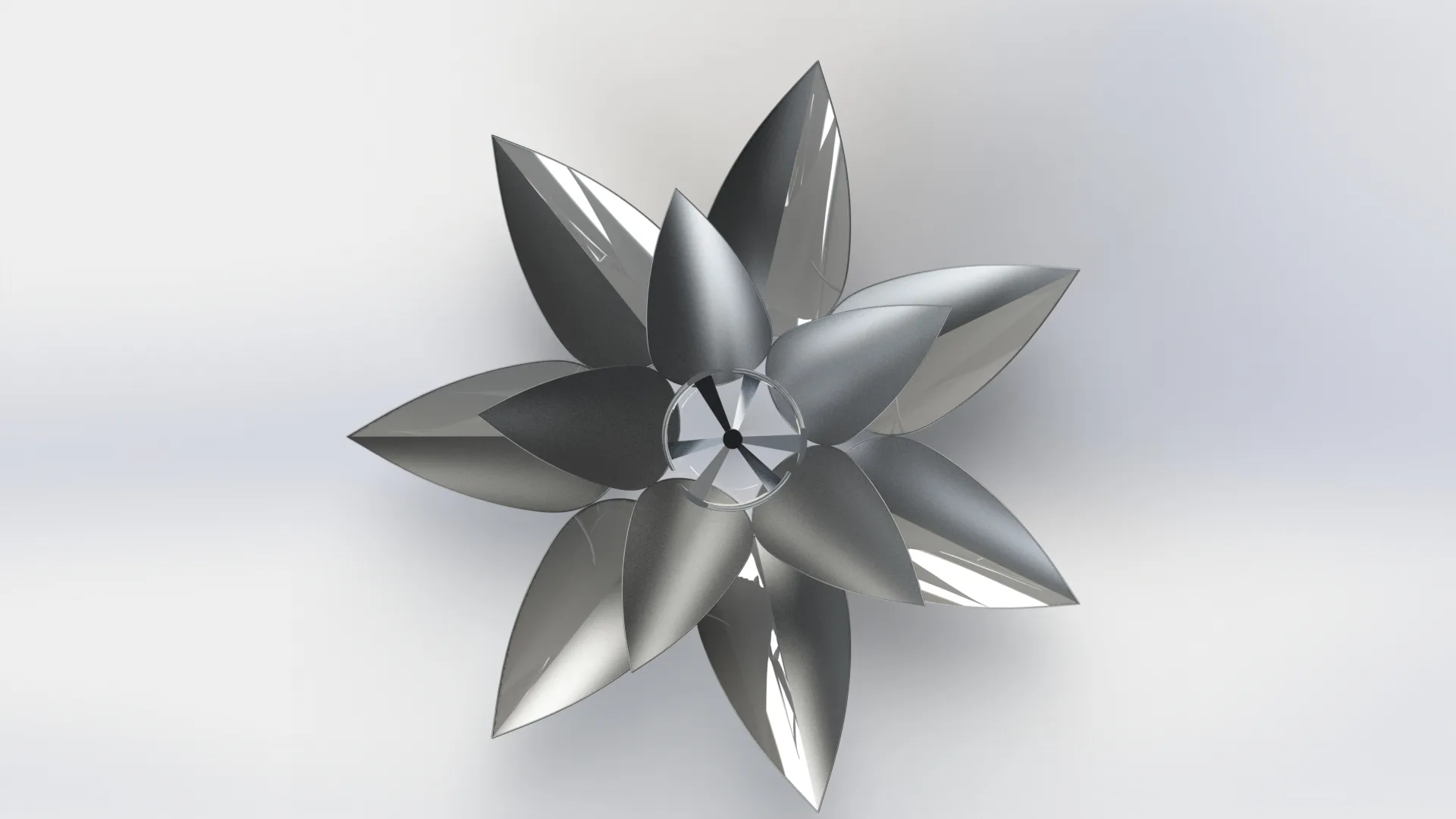
The Design
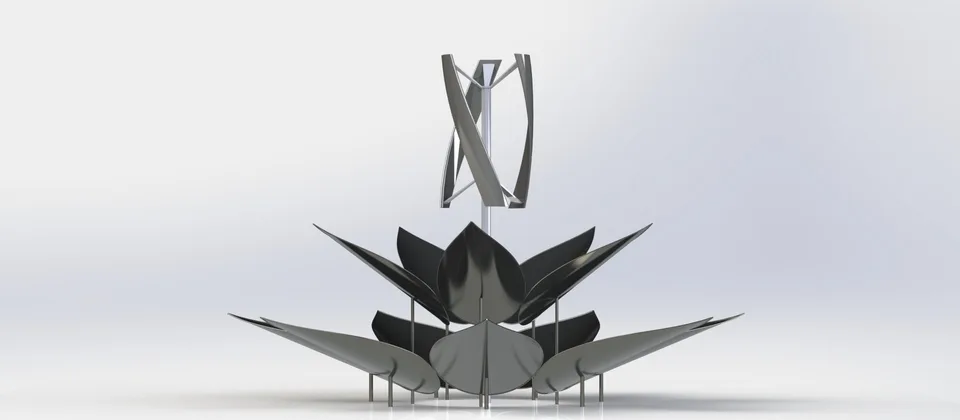
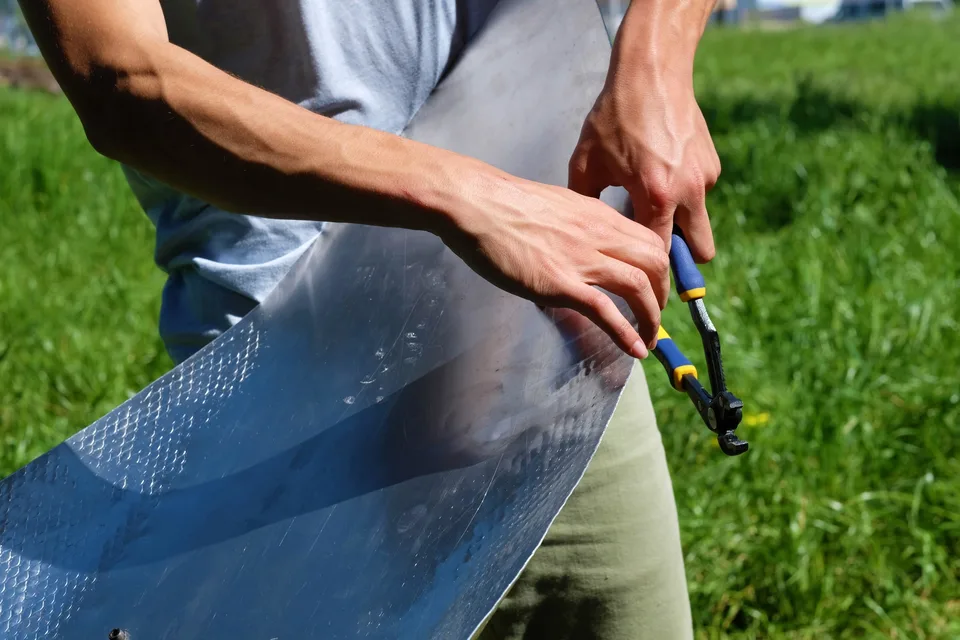
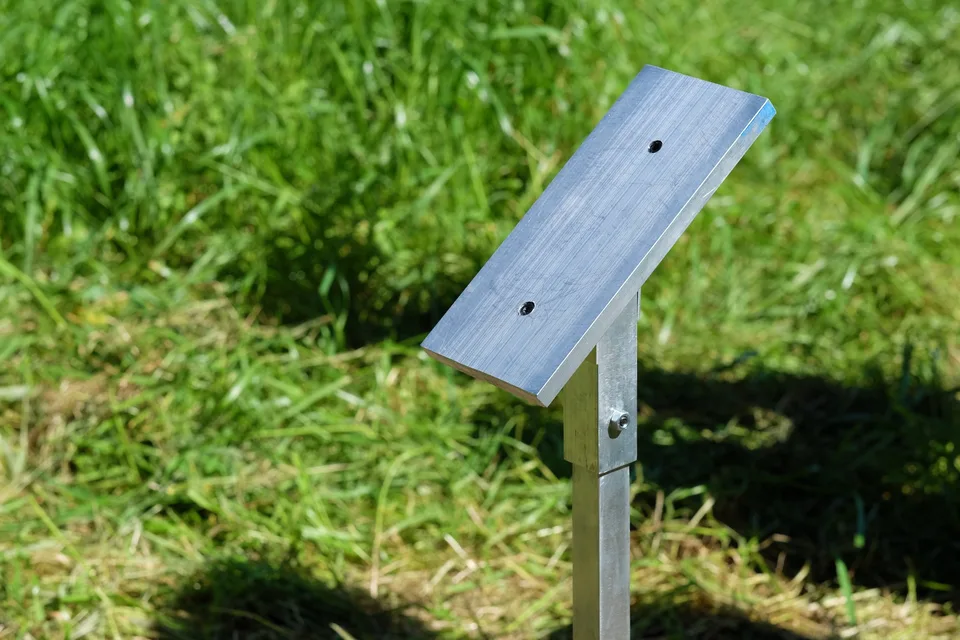
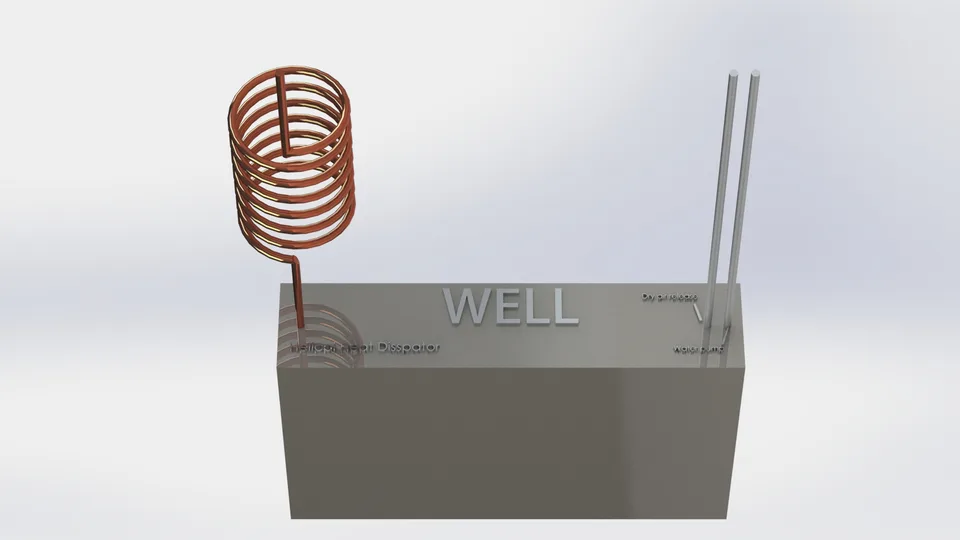
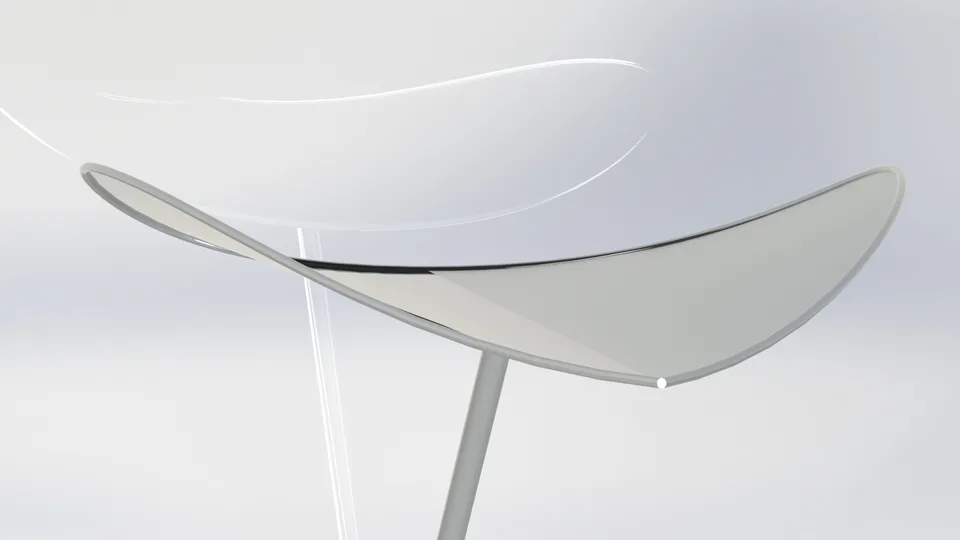
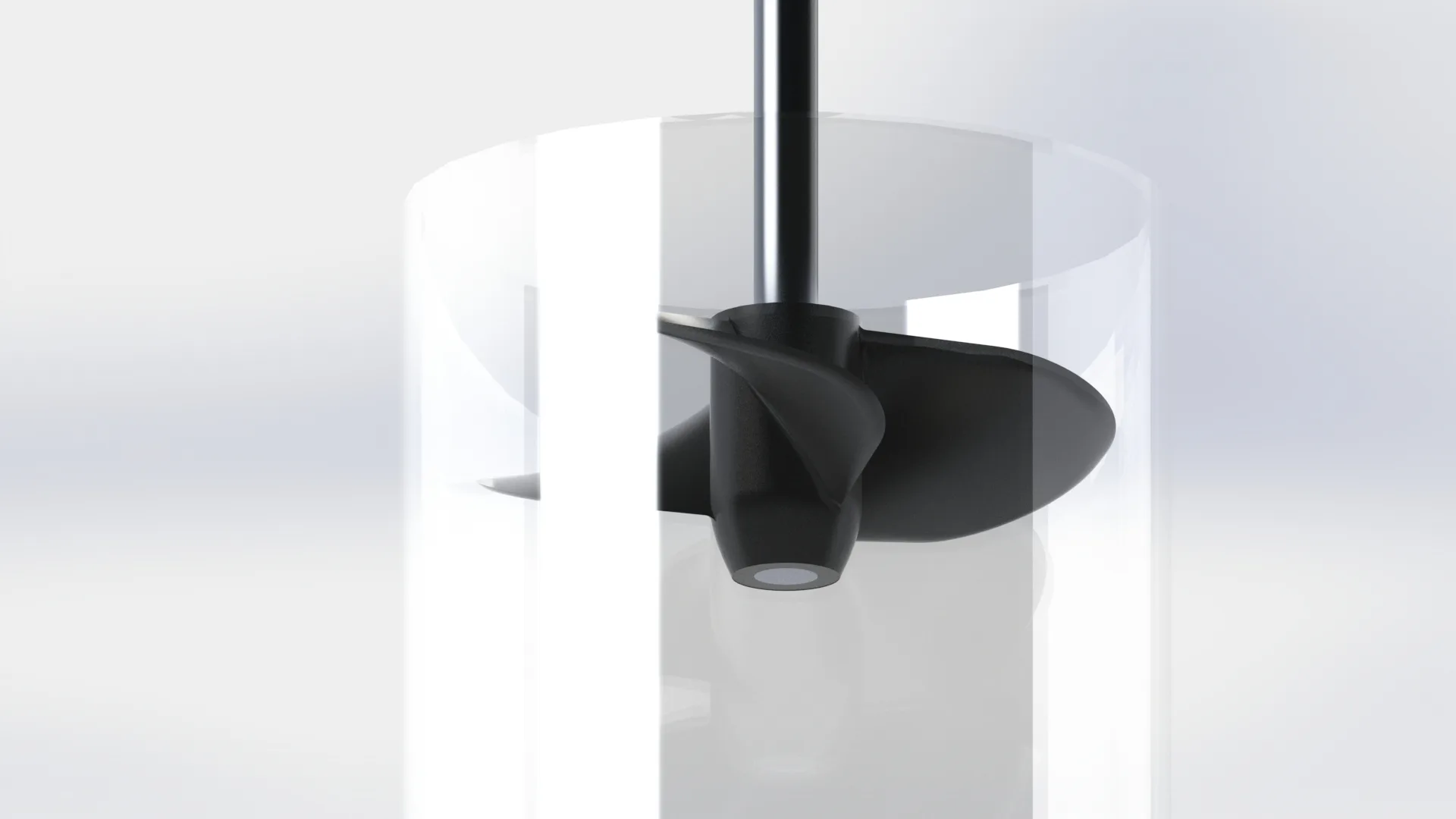
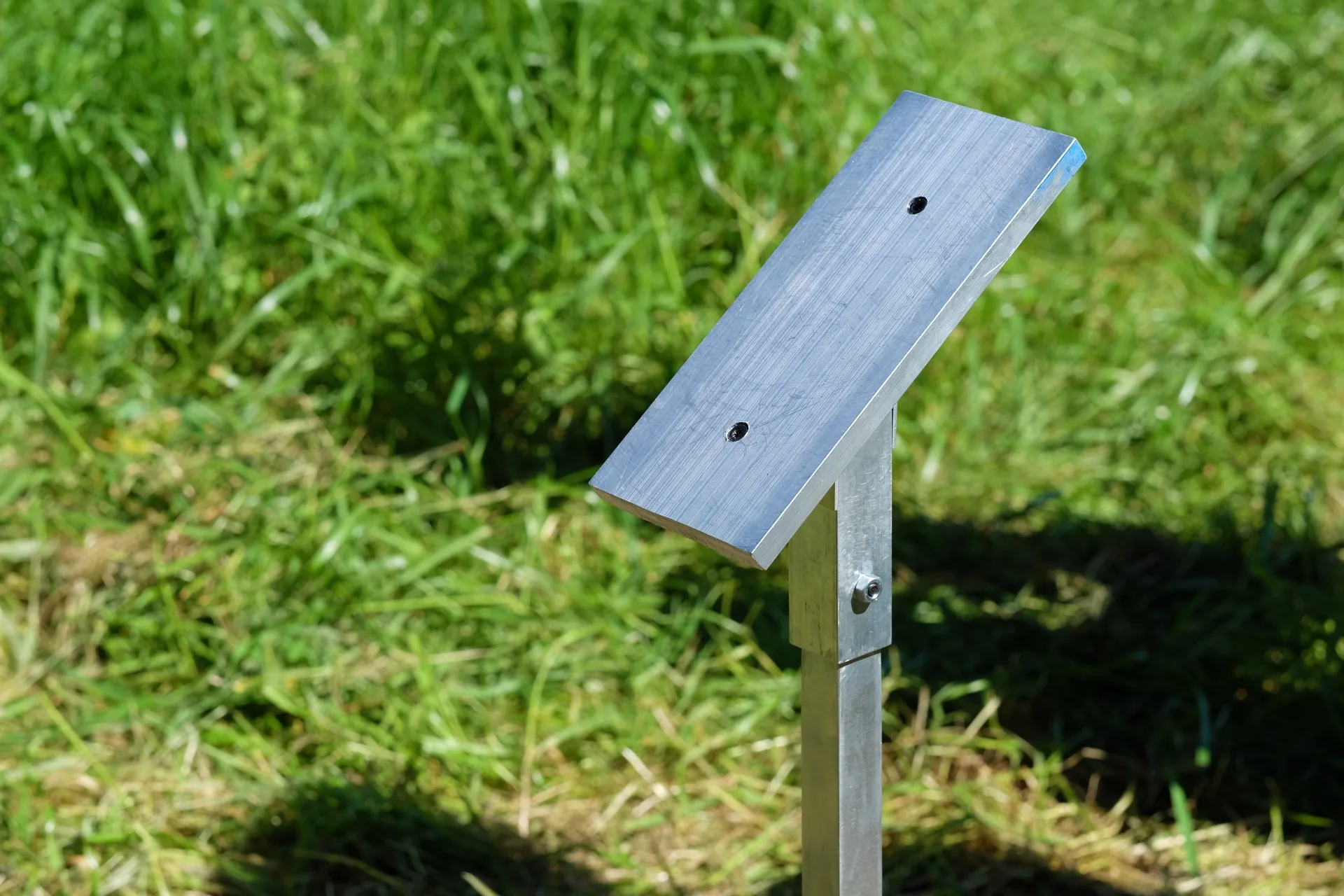
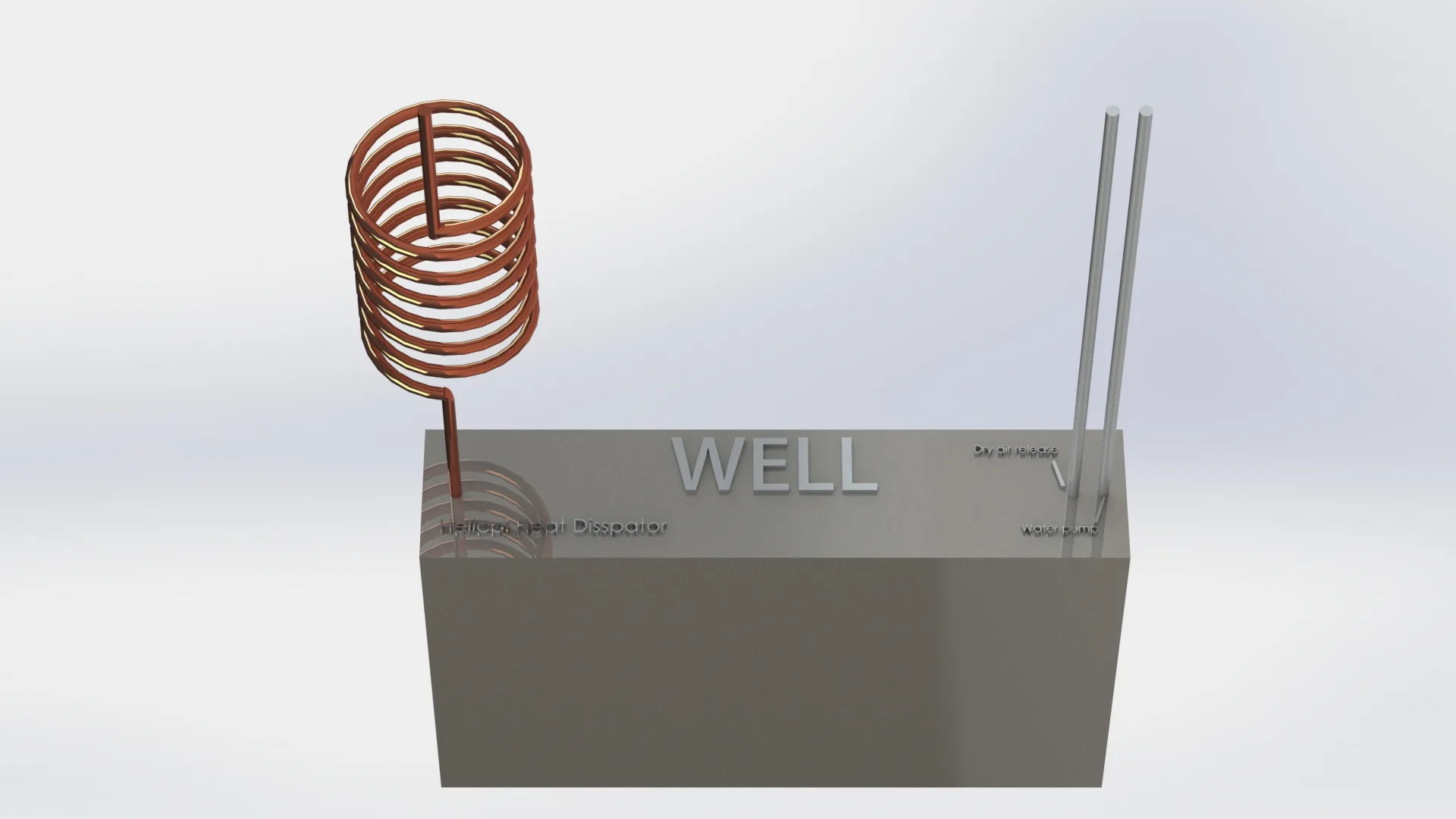
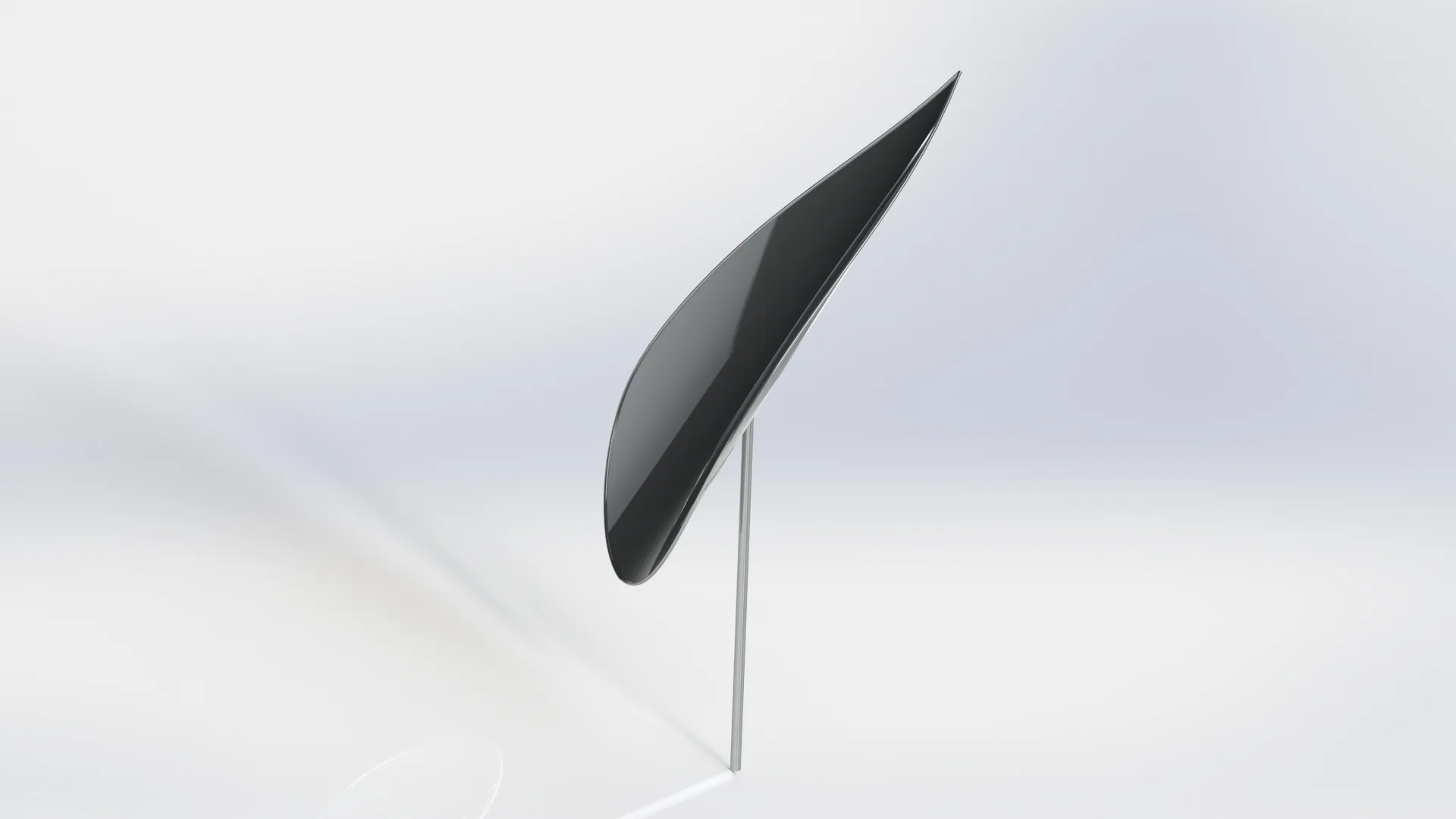
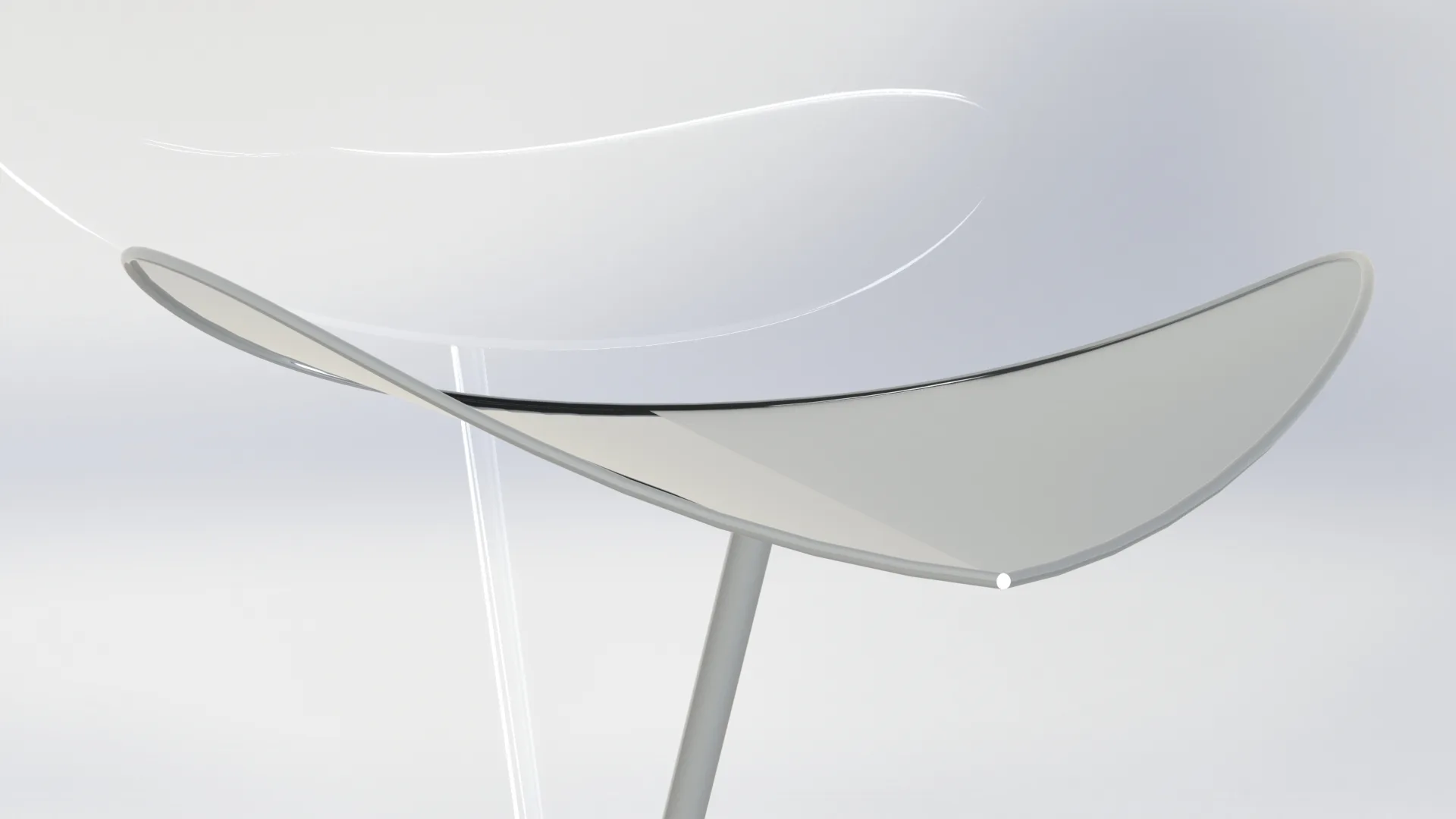
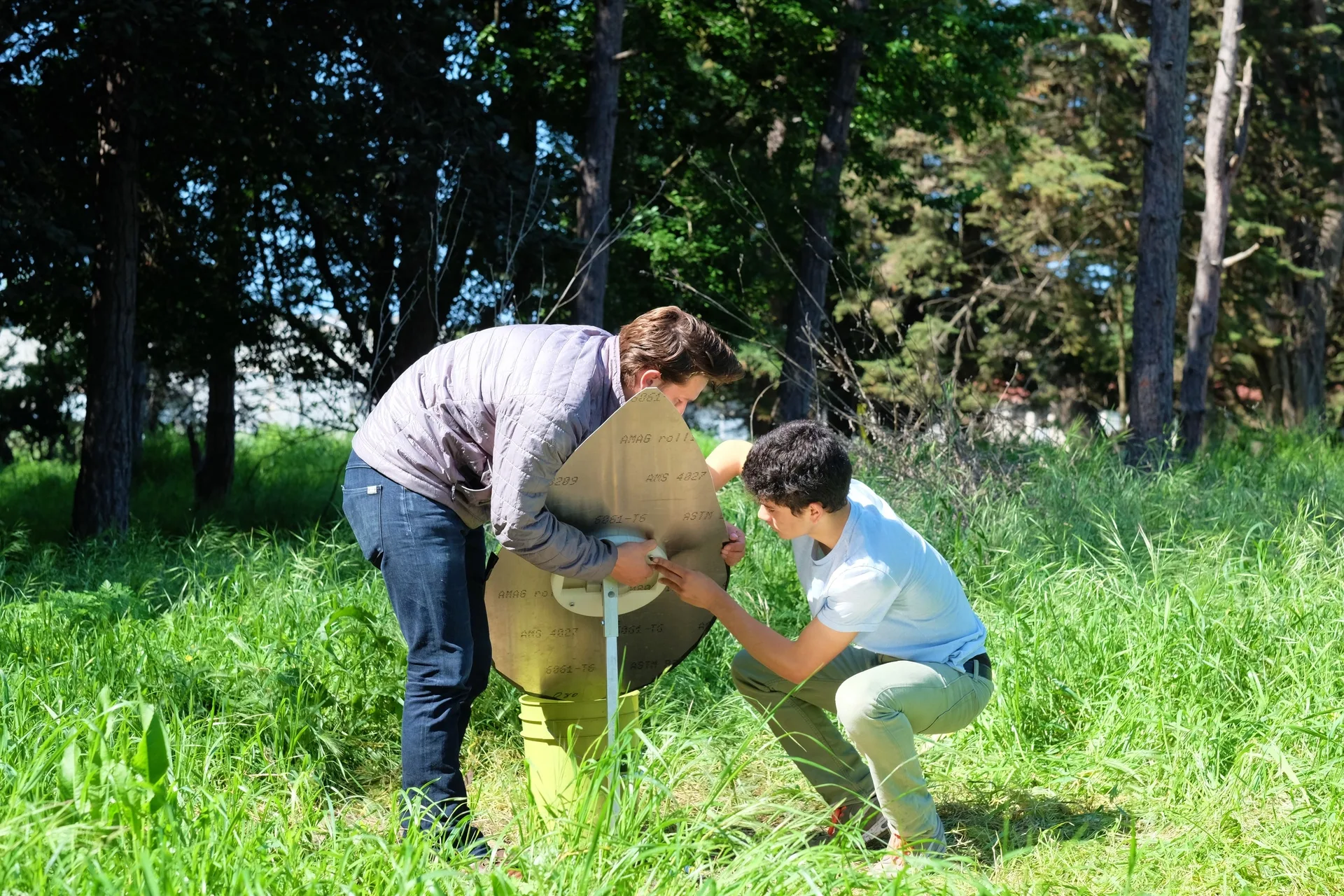
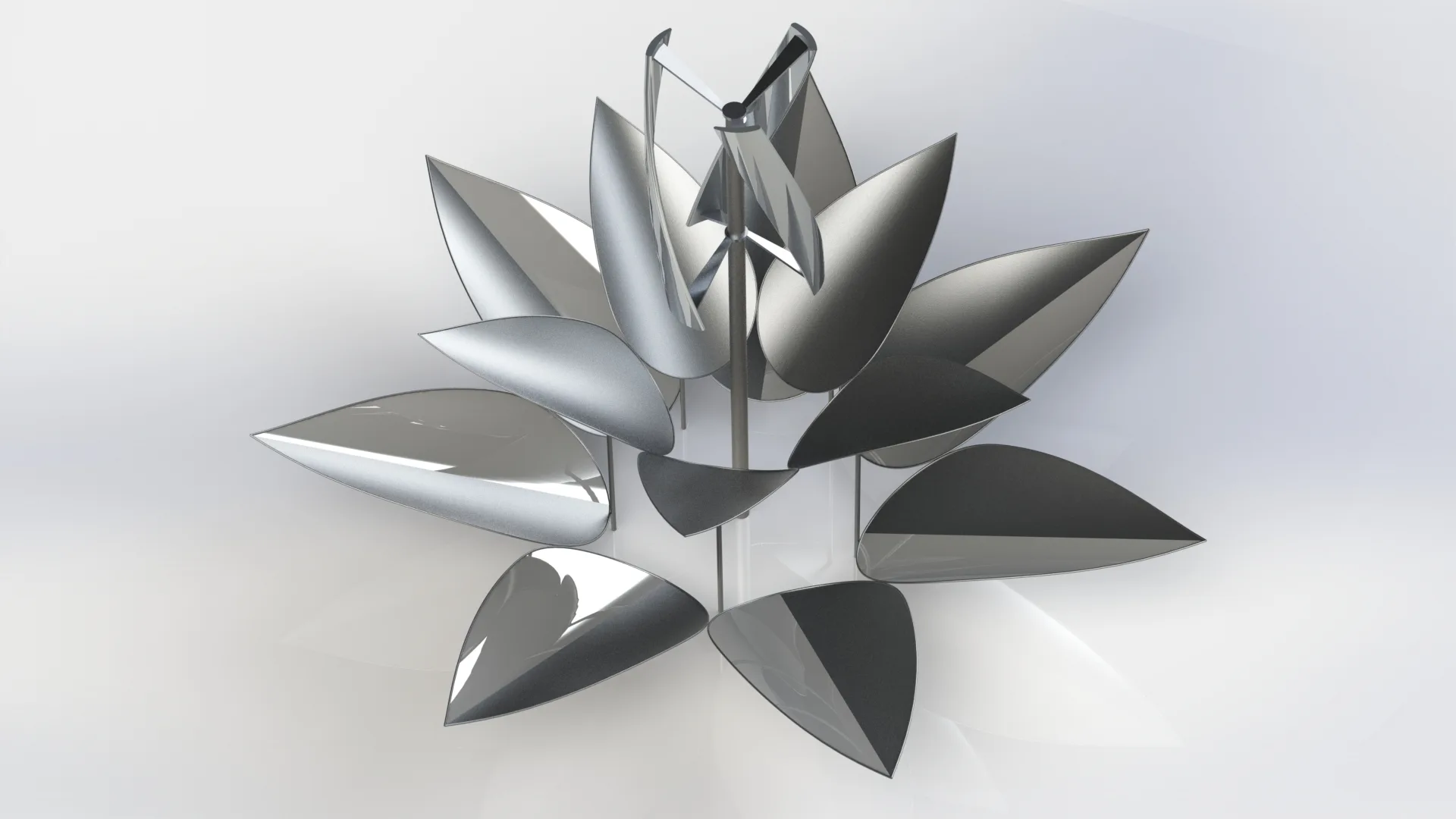
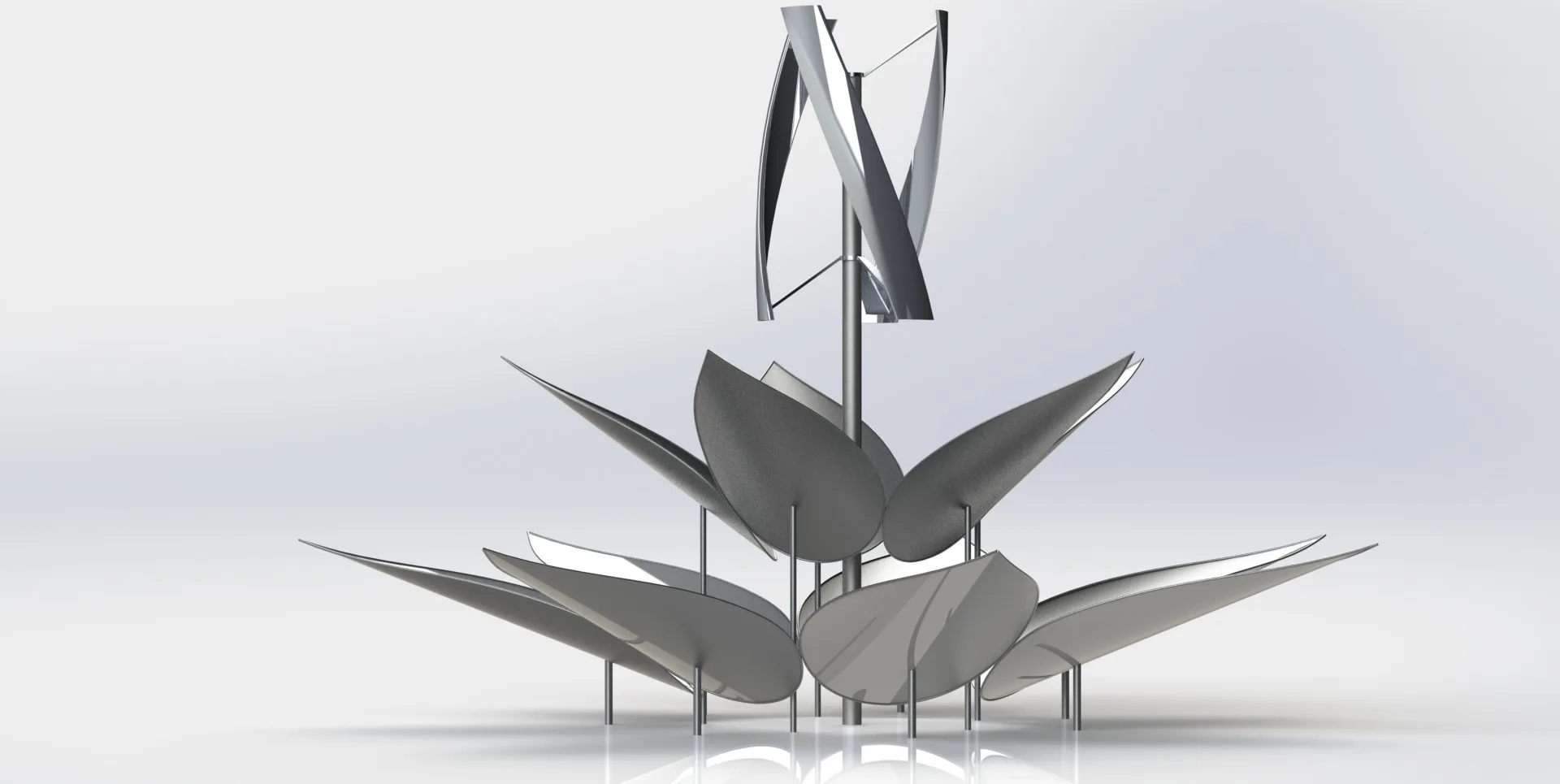
The team's original design was to make a system of coated metal panels, which would serve as a method of exposed radiative condensation. In order to devise the most effective final product for the competition, I proposed our design be composed of two parts: an above-ground group of panels (as originally thought) and a simple, but useful below-ground system of piping. This piping performs the same radiative condensation as the panels, but is fed into it ambient hot air from above-ground. This method has a very high potential for water yield and numerous advantages; the foremost few being the separation of the condensed water from debris and animals, the capacity to generate 100% pure water to be stored immediately in a well below-ground, and that the system can run day and night with practically the same efficacy. The last thing yet to be determined, was how this air was to be fed underground.
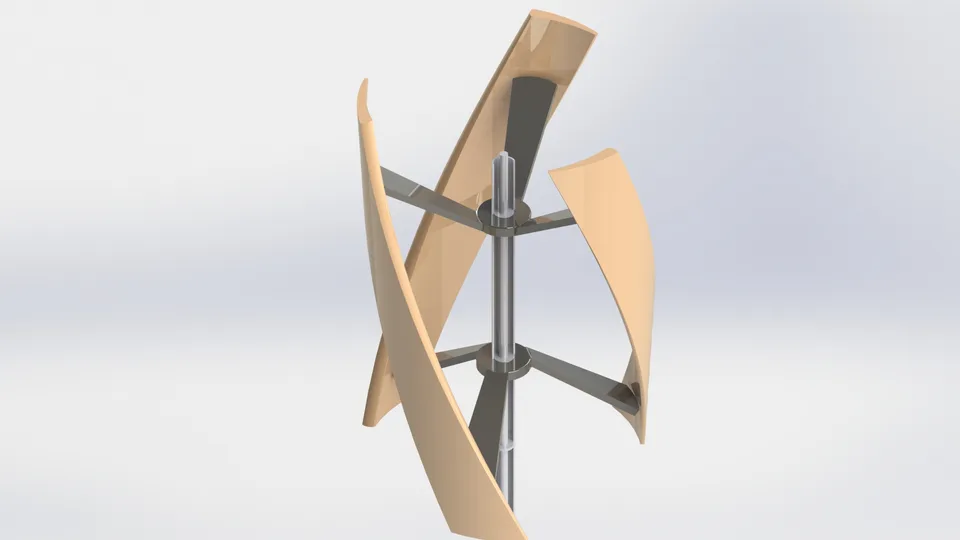
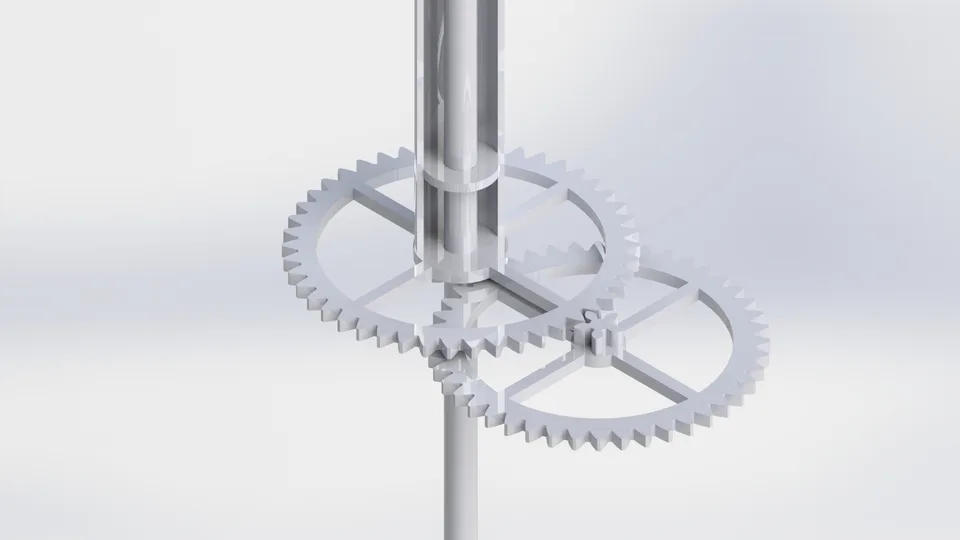
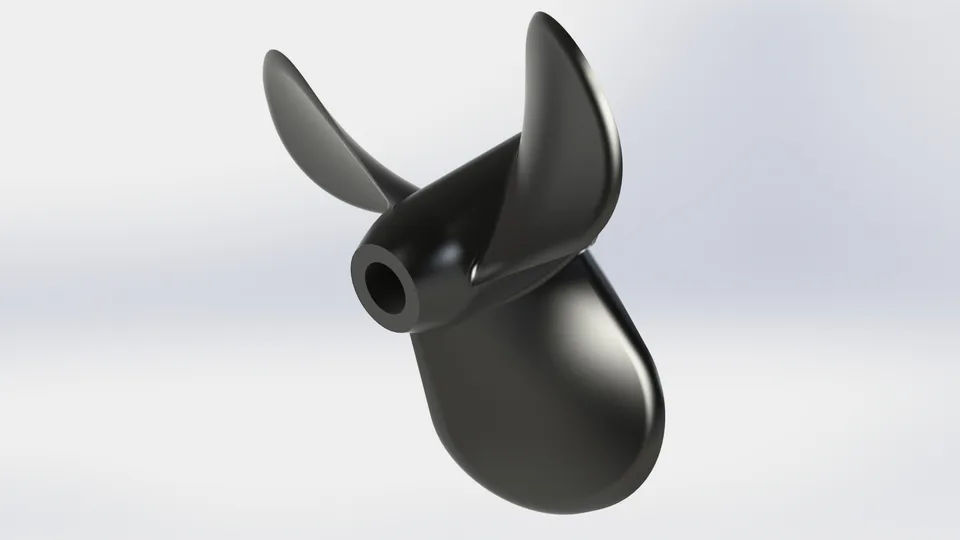
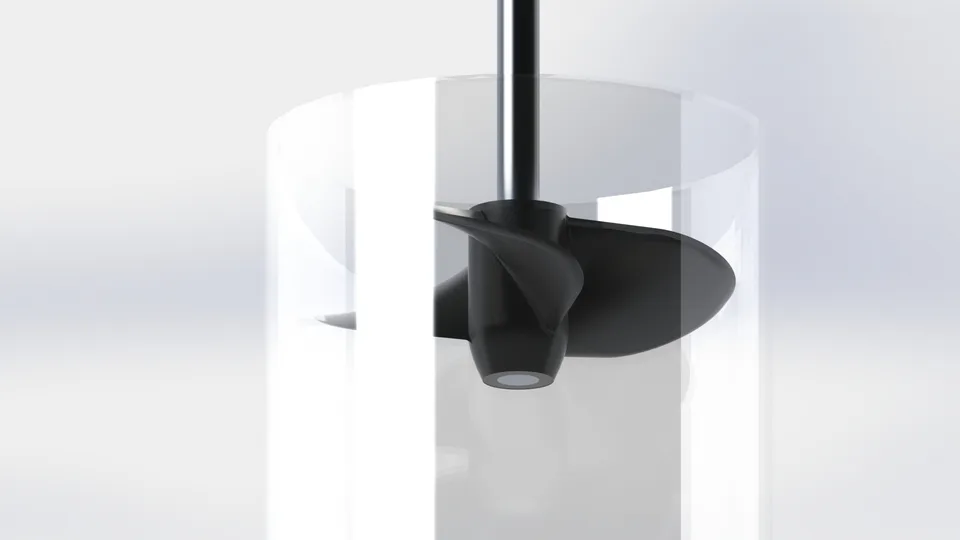
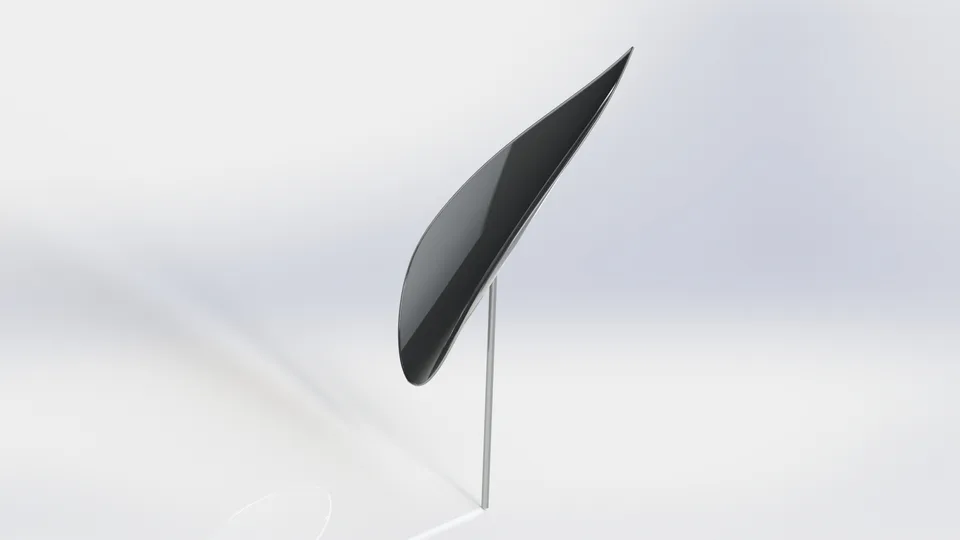
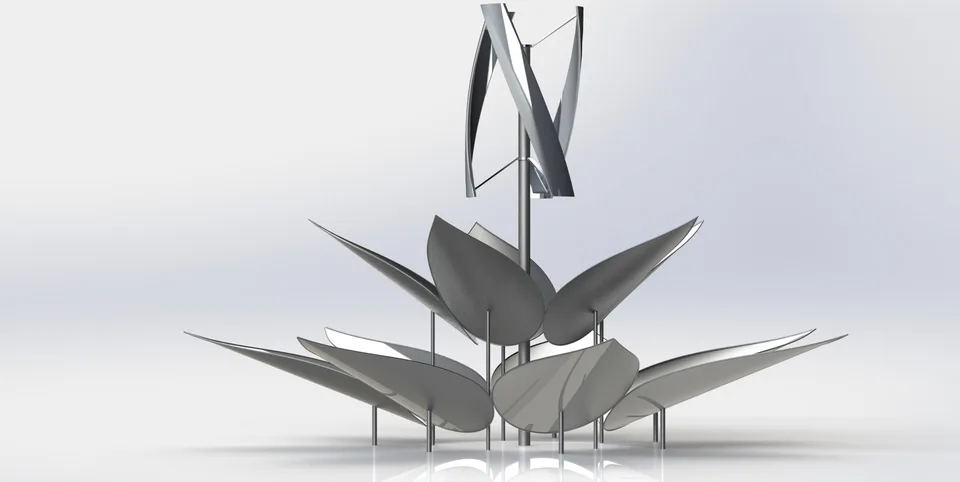
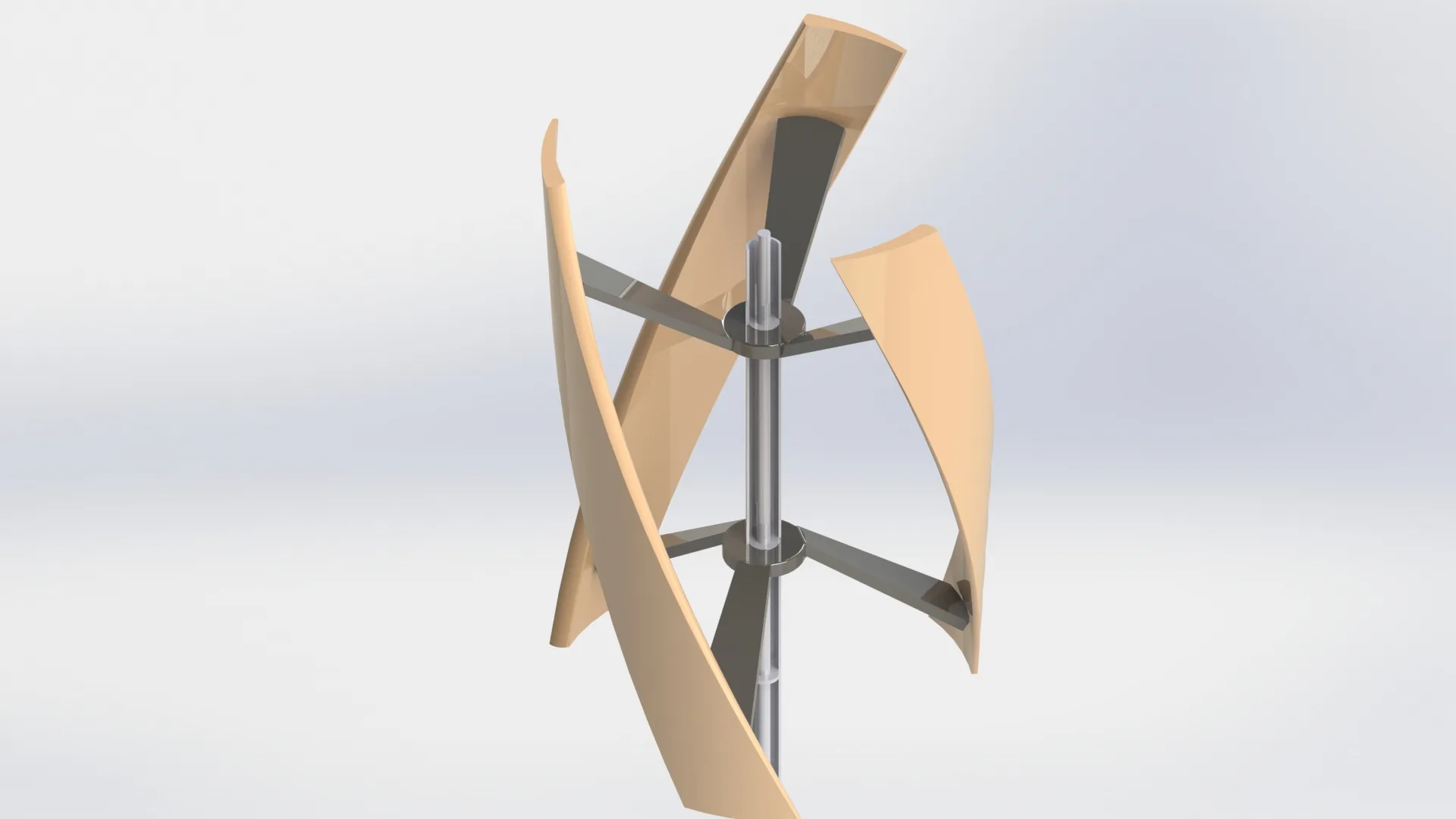
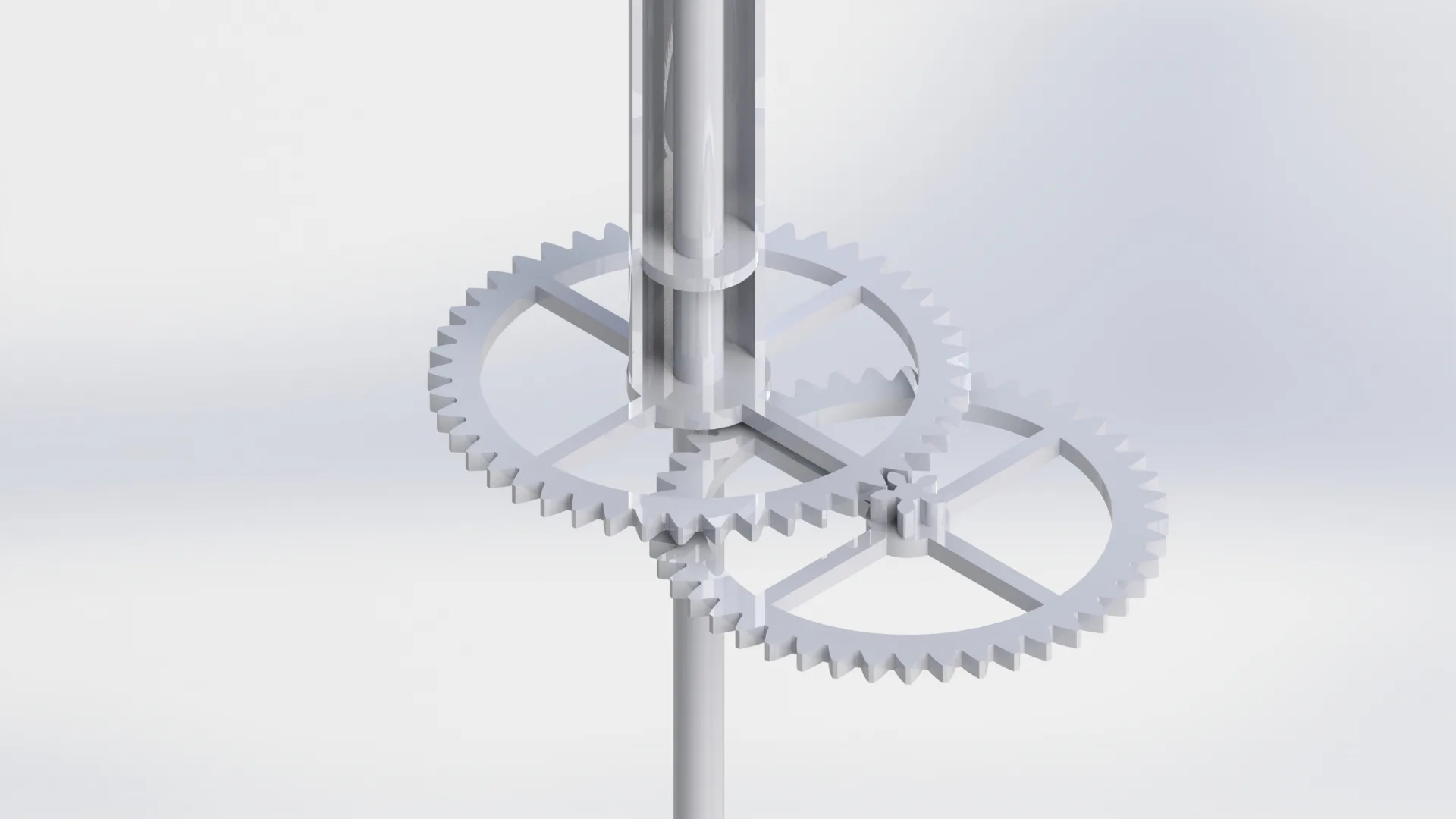
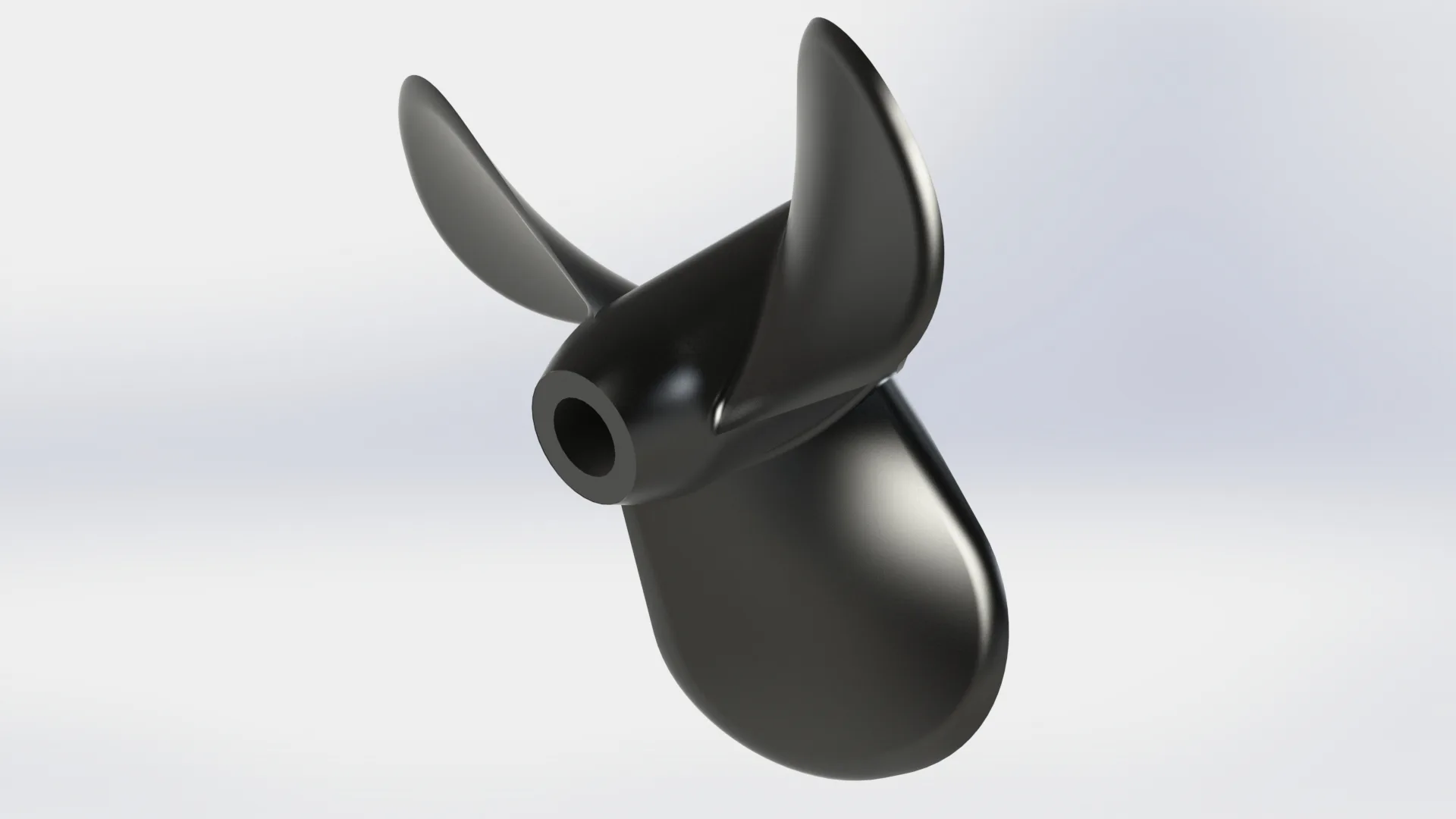
As a solution, I devised a turbine-fan system which generates duct flow through the pipes below-ground through the utilization of a simple set of gears. This gear ratio multiplied the angular velocity of the turbine to provide six times the rotational motion for the fan as for the turbine. In this respect, the turbine needed a design to maximize the utility of the wind flow around it, as the gear ratio increased the required torque to the turbine six-fold. To quell this issue, I proposed a large Gorlov Helical turbine, which is capable of utilizing wind flow from all directions.
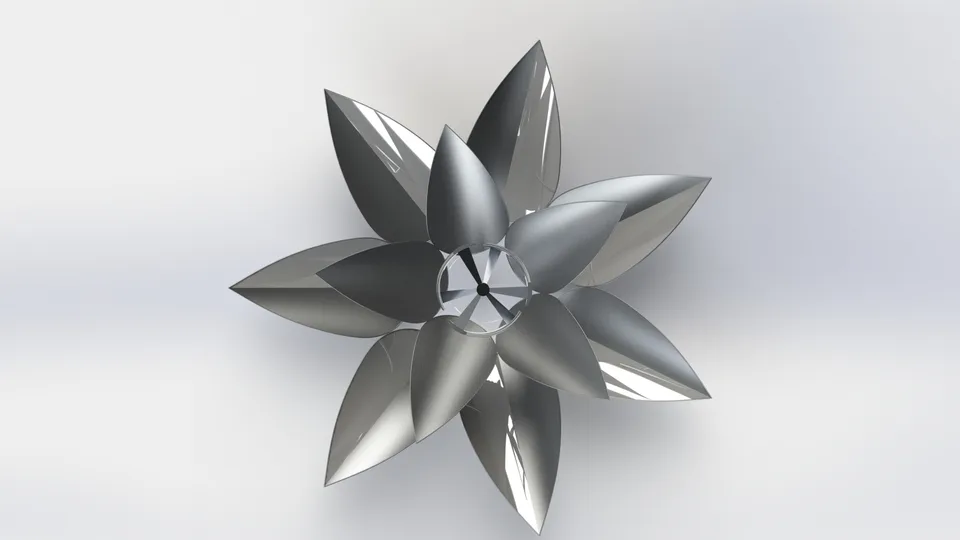
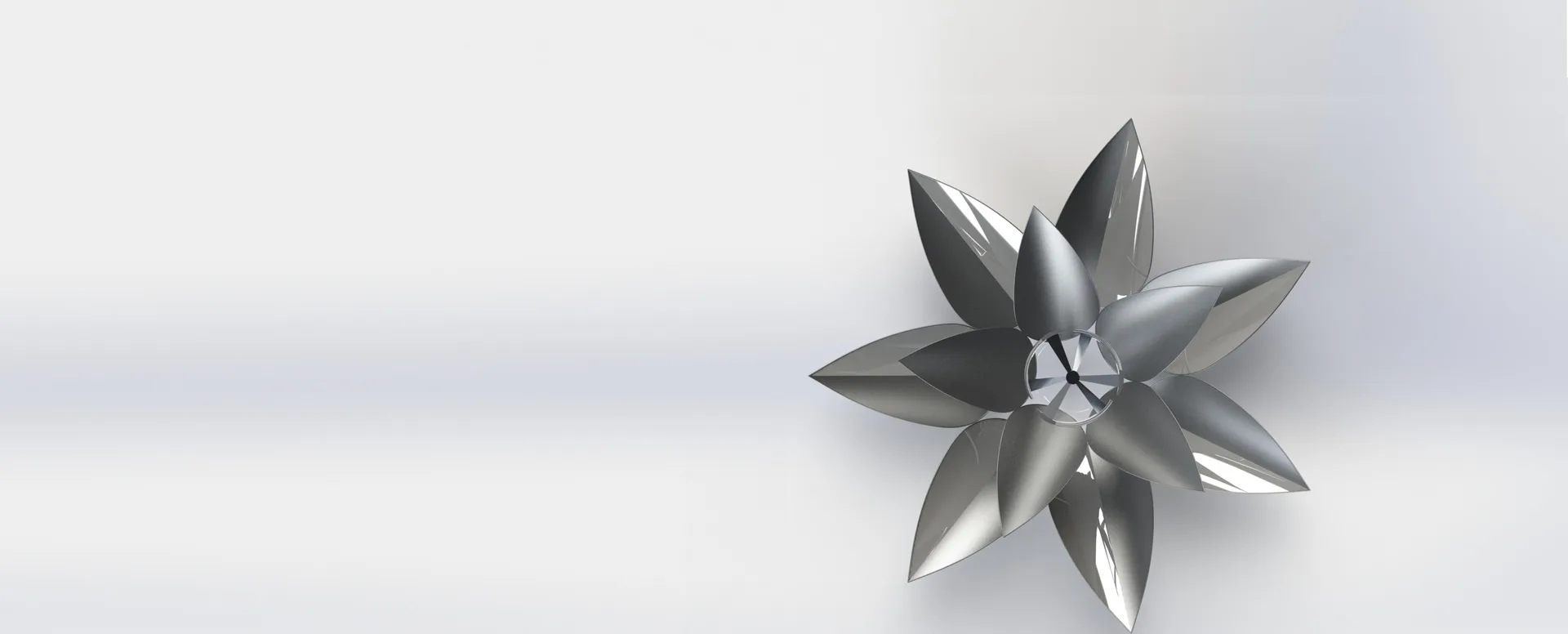
This turbine system provides more than just function, but elegance as well. With aesthetics being a large part of the project criteria, it was crucial that this turbine commit artistic appeal to the whole structure. It completes the lotus-flower inspiration of the design, serving as the gorgeous and captivating stigma of the flower.
 (image 15 of 15, view larger)
The Results
As previously mentioned, our team took first place in the competition. Our success was directly attributable to a few key components of the project. The lotus flower design, which made the Stratus undeniably pretty, assured investors of its market-appeal to both developing nations and high end consumers. This was a huge factor in the success of the design. What sealed the deal, however, was my choice of designing the condenser in two parts, with radiative condensation occurring both above and below-ground.
Other teams designed panels to condense water from the air which sat above-ground, exposed to the elements, where a variety of factors like air temperature, exposure to radiation and time of day were pivotal in whether they would produce water. What set my team apart and ultimately won the judges over was devising the turbine system which pulled air underground.
A vast majority of these issues are now mitigated with this design. Animals and debris cannot easily make their way into the piping, and filters were set in place to assure of this. The piping is not exposed to radiation from the sun, so the piping can use the cool thermal body surrounding it to maximum effect. Finally, the piping system leads to a gravity-fed well, where the water can be readily pumped out.
There are very real physical limitations surrounding the passive condensation of water from air which our design does not fully address. Our team engaged in this competition to better understand and pursue a design with the potential to help overcome the pervasive lack of access to clean water which burdens a discomforting number of people worldwide. In doing so, we fully recognize the limited extents to which the concept we have developed can be utilized.
I hope that our project is the inspiration for many more to come, and that a fully viable solution to the prevailing issue of water insecurity is just on the horizon. Until then, I will continue to take on challenging projects so I may one day be able to provide innovative solutions to a world in need.